What Is an IPTV Box? A Complete Guide for UK Viewers
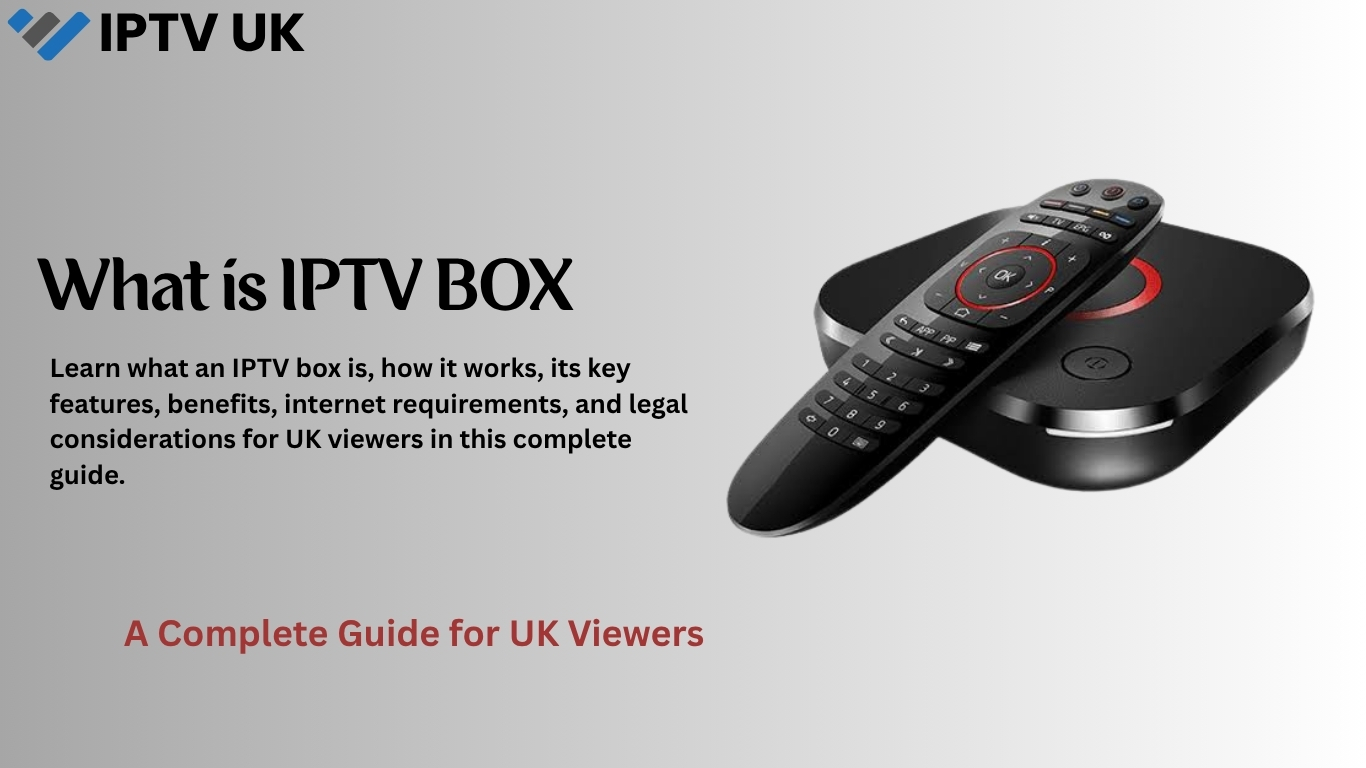
Internet Protocol Television (IPTV) has changed the way people watch television by delivering TV channels and on-demand content through an internet connection instead of traditional satellite, cable, or terrestrial broadcasting. As broadband speeds continue to improve across the UK, more households are exploring IPTV as part of their home entertainment setup.
An IPTV box is one of the devices that can receive IPTV content. Still, understanding how these devices work, their features, and their legal uses is essential before making any purchasing decision. This guide explains IPTV boxes, how they function, their advantages, limitations, and the legal considerations for UK viewers.
What Is an IPTV Box?
An IPTV box is a streaming device that connects to a television and receives television content over an internet connection. Instead of relying on a satellite dish or cable line, the device processes digital video streams delivered using Internet Protocol (IP).
Some IPTV boxes run Android TV or Google TV, while others use proprietary operating systems. Depending on the device and software, users can access live television, video-on-demand, catch-up TV, and media stored on local networks.
How IPTV Works
Unlike traditional broadcasting methods, IPTV transmits television programming using internet data packets.
The basic process includes:
- The broadcaster encodes content.
- Video is transmitted through internet servers.
- The IPTV application or platform receives the stream.
- The IPTV box decodes the video.
- The content is displayed on the television.
A stable broadband connection is essential for smooth playback.
Types of IPTV Services
Live Television
Streams television channels in real time over the internet.
Video on Demand (VOD)
Allows viewers to watch selected programs whenever they choose.
Catch-Up TV
Lets viewers watch previously aired programs for a limited period.
Time-Shifted Television
Allows users to pause, rewind, or replay recently broadcast content.
Common Features of IPTV Boxes
Modern IPTV boxes often include:
- 4K Ultra HD support
- HDR compatibility
- Wi-Fi and Ethernet connectivity
- Bluetooth support
- Voice control
- USB ports
- Expandable storage
- App installation
- Chromecast or casting support
- Automatic software updates
The available features vary depending on the hardware and operating system.
Benefits of IPTV Technology
Flexible Viewing
Users can watch content on their own schedule rather than following traditional TV timetables.
High Picture Quality
Many IPTV platforms support HD, Full HD, and 4K streaming when sufficient internet bandwidth is available.
Internet-Based Delivery
No satellite dish or cable installation is required for internet-delivered services.
Multi-Device Compatibility
Many IPTV platforms support televisions, smartphones, tablets, and computers.
Interactive Features
Modern IPTV systems may include search, recommendations, subtitles, multiple audio tracks, and parental controls.
Internet Requirements
The viewing experience depends heavily on internet quality.
Typical recommendations include:
- SD streaming: 5 Mbps
- HD streaming: 10 Mbps
- Full HD streaming: 15 Mbps
- 4K streaming: 25 Mbps or higher
A wired Ethernet connection often provides greater stability than Wi-Fi, especially for high-resolution streaming.
Factors to Consider Before Choosing an IPTV Box
When selecting a streaming device for legal IPTV services, consider:
Processor Performance
A faster processor provides smoother navigation and quicker app loading.
RAM
Additional memory improves multitasking and overall responsiveness.
Storage
More storage allows installation of additional applications and local media.
Video Support
Check compatibility with HD, Full HD, HDR, and 4K formats if your television supports them.
Connectivity
Look for:
- Dual-band Wi-Fi
- Gigabit Ethernet
- Bluetooth
- HDMI
- USB ports
Software Updates
Devices receiving regular security and feature updates generally offer a better long-term experience.
IPTV and Smart TVs
Many modern Smart TVs already include applications capable of accessing legal IPTV services, reducing the need for an external IPTV box.
However, dedicated streaming devices may offer:
- Faster performance
- Longer software support
- Better app compatibility
- Additional storage
- Improved remote controls
Legal Considerations in the UK
IPTV itself is a legitimate technology used by broadcasters and streaming platforms to deliver television content over the internet.
However, viewers should ensure that any
IPTV subscription plan service they use has the necessary rights to distribute the content it offers. Accessing copyrighted material through unauthorized services may violate copyright law and the terms of service of internet providers.
Using legitimate streaming services helps support content creators and provides a safer viewing experience.
Security and Privacy
When using any internet-connected streaming device:
- Install updates regularly.
- Download applications only from trusted sources.
- Use strong account passwords.
- Enable two-factor authentication where available.
- Review privacy settings.
- Secure your home Wi-Fi network.
These practices help reduce security risks.
Troubleshooting Common IPTV Issues
Buffering
Possible causes include:
- Slow internet connection
- Wi-Fi interference
- Network congestion
- Server issues
Freezing
Restart the device, update software, and check your network connection.
Audio Sync Problems
Restart playback or update the streaming application.
Poor Picture Quality
Verify your internet speed and adjust streaming quality settings if necessary.
IPTV vs Traditional Television
| Feature | IPTV | Traditional TV |
| Delivery | Internet | Cable, satellite, or antenna |
| On-demand viewing | Usually available | Limited |
| Multi-device support | Common | Often limited |
| Interactive features | Extensive | Limited |
| Internet required | Yes | Not always |
Future of IPTV
As broadband infrastructure continues to improve, IPTV is expected to play an increasingly important role in television distribution. Advancements such as cloud-based recording, AI-powered recommendations, higher-resolution streaming, and improved compression technologies may further enhance the viewing experience.
Frequently Asked Questions
What is an IPTV box?
An IPTV box is a device that receives television content delivered through an internet connection and displays it on a compatible television.
Do IPTV boxes require internet access?
Yes. IPTV relies on an internet connection to receive streaming content.
Can IPTV stream in 4K?
Many modern IPTV platforms support 4K streaming when both the device and internet connection meet the requirements.
Is IPTV different from cable TV?
Yes. IPTV delivers television over internet networks, while cable TV uses dedicated cable infrastructure.
Can Smart TVs use IPTV?
Many Smart TVs support legal IPTV applications without requiring an external streaming device.
Are software updates important?
Yes. Updates improve security, compatibility, and overall performance.
Conclusion
IPTV boxes provide a convenient way to access television content delivered over the internet. Understanding how IPTV works, the features available, internet requirements, and legal considerations can help UK viewers make informed decisions when selecting a streaming solution. Choosing reputable, authorized services and keeping devices updated contributes to a more reliable, secure, and enjoyable viewing experience.