Iptv Uk My
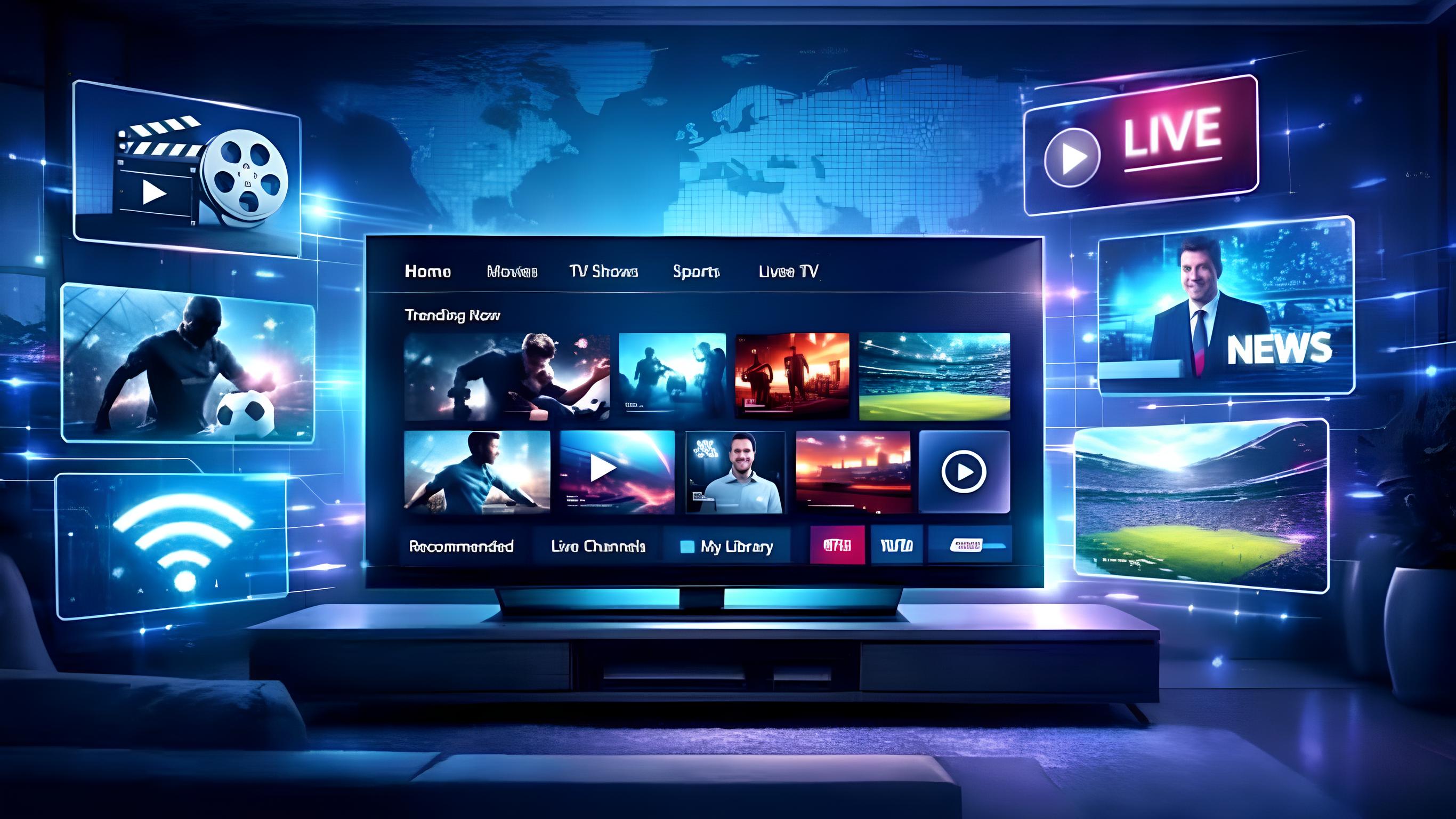
Television has changed significantly over the years. From traditional terrestrial broadcasting to cable and satellite television, viewers have continuously adopted new ways to access entertainment, news, sports, and educational content. Today, internet-based television is changing how people watch and interact with video content.
One technology at the centre of this transformation is Internet Protocol Television, commonly known as IPTV.
Why IPTV is the future of television is an increasingly relevant question as more households rely on broadband internet, connected televisions, and digital streaming platforms. IPTV combines television delivery with internet technology, creating opportunities for flexible viewing, on-demand content, and more interactive experiences.
But what makes IPTV different from traditional television? How does it work, what are its advantages, and what challenges must be addressed before it can become an even more important part of the television industry?
This guide explores the technology, benefits, limitations, and future of IPTV in a clear and informative way.
What Is IPTV?
IPTV stands for Internet Protocol Television. It delivers television programming and video content through internet networks rather than relying exclusively on traditional broadcast, cable, or satellite transmission.
Instead of receiving a television signal through an aerial or satellite dish, viewers access content through an internet-connected device.
These devices may include:
- Smart televisions
- Streaming boxes
- Smartphones
- Tablets
- Computers
- Compatible media players
IPTV can support different forms of video delivery, including live television, video on demand, and time-shifted programming.
The technology isn't limited to one type of content or one particular device. Its flexibility comes from using internet-based networks to transport digital video.
How Does IPTV Work?
Understanding how IPTV works helps explain why it has become an important part of modern television technology.
Traditional television usually distributes a signal through broadcast towers, cable infrastructure, or satellite transmission. IPTV uses internet protocols to send digital video from a content platform to a viewer's device.
The basic process involves several stages.
Content Preparation
Television programmes and video content are converted into digital formats suitable for delivery over a network.
Video Encoding
The content is compressed and encoded so that it can be transmitted efficiently while maintaining suitable picture quality.
Content Delivery
The video travels through the internet or managed network infrastructure to reach the viewer.
Streaming and Playback
The viewer's device receives and processes the stream, allowing the content to appear on the television or screen.
Interactive Features
Depending on the platform, viewers may be able to pause, rewind, search, or select on-demand content.
This combination of internet connectivity and digital video delivery is one of the reasons IPTV is considered an important development in television.
Why IPTV Is the Future of Television
The future of television is increasingly connected to internet technology. IPTV is part of that shift because it offers a flexible way to deliver live and on-demand content.
Several factors explain why IPTV is receiving so much attention.
The Growth of Internet-Based Entertainment
People increasingly use internet-connected devices to watch video content.
Instead of depending entirely on scheduled television broadcasts, viewers can access content through digital platforms whenever it is available.
IPTV fits naturally into this environment because it uses internet networks to deliver television programming.
As broadband access and connected devices continue to develop, internet-based video delivery becomes more practical for more households.
Flexible Viewing Experiences
One of the major benefits of IPTV is viewing flexibility.
Traditional television often follows a fixed schedule. IPTV platforms can support a wider range of viewing options, depending on their features and content rights.
These may include:
- Live television
- On-demand programming
- Catch-up television
- Time-shifted viewing
- Pause and rewind functions
This flexibility allows viewers to choose how they interact with available content.
However, not every IPTV service supports every feature. Availability depends on the platform, content rights, and technical infrastructure.
Access Across Multiple Devices
Modern viewers don't always watch television on a traditional TV.
They may use:
- Smartphones
- Tablets
- Laptops
- Smart TVs
- Streaming devices
IPTV can support multiple device types when the relevant platform provides compatible applications or interfaces.
This makes television content more adaptable to different viewing environments.
For example, a viewer may watch a programme on a television at home and use another supported device when travelling.
Device compatibility and simultaneous streaming rules vary by service.
4. Better Integration With Smart TVs
Smart televisions have become an important part of modern home entertainment.
Unlike older television sets, smart TVs can connect to the internet and run supported applications.
Best IPTV UK Player fits into this ecosystem by allowing compatible platforms to deliver television content directly to connected screens.
This can reduce the need for separate equipment in some setups, although external streaming devices may still be useful for certain televisions or applications.
As smart TV technology continues to evolve, internet-based television will likely become more integrated into the viewing experience.
5. On-Demand Television
One of the biggest changes in television is the movement from scheduled programming toward on-demand viewing.
Viewers increasingly expect to choose what they watch and when they watch it.
IPTV can support on-demand libraries that allow users to browse available films, programmes, and other video content.
Common on-demand features include:
- Search
- Categories
- Content descriptions
- Recently added programmes
- Playback controls
This is particularly useful for viewers who prefer to watch content according to their own schedules.
6. Personalised Viewing Experiences
Internet-based television can support features that make content discovery more convenient.
Depending on the platform, these may include:
- Personal recommendations
- Watchlists
- Viewing history
- Favourite channels
- Customised content categories
These features can help viewers find relevant content more easily.
Personalisation may become increasingly important as the amount of available digital video continues to grow.
However, recommendations depend on the platform's software, data practices, and available content.
7. Improved Video Quality
Best IPTV UK can support high-quality video formats when the network, device, and content delivery system are capable of handling them.
Depending on the platform, available formats may include:
- Standard Definition
- High Definition
- Full HD
- 4K Ultra HD
Higher-resolution video generally requires more bandwidth and suitable hardware.
The actual viewing quality also depends on encoding, network stability, screen capabilities, and the source video.
IPTV does not automatically guarantee better picture quality than cable or satellite television. Its advantage is the flexibility of digital delivery.
IPTV vs Traditional Television
Understanding the difference between IPTV and traditional television helps explain the broader industry shift.
| | |
| Delivery method | Internet or managed IP network | Terrestrial, cable, or satellite |
| Live channels | Supported by many platforms | Common |
| On-demand content | Often supported | Depends on the system |
| Device flexibility | Can support multiple connected devices | Often centred on a television |
| Internet dependency | Usually required | Depends on delivery method |
| Interactive features | Can support advanced features | Varies by platform |
| Video quality | Depends on network and source | Depends on delivery system |
Both approaches can provide high-quality television. The key difference is how content is delivered and how viewers interact with it.
The Role of Broadband Internet in IPTV
Broadband internet is a major factor in the growth of IPTV.
Streaming video requires a connection capable of transferring data consistently. A high-speed connection can help support higher-quality video, but speed alone does not determine the entire viewing experience.
Important network factors include:
Download Speed
The connection must provide enough bandwidth for the selected video quality.
Latency
High latency can affect responsiveness and interactive functions.
Network Stability
Frequent connection drops can interrupt playback.
Wi-Fi Quality
A weak wireless signal can reduce the performance of a connected television or streaming device.
Network Congestion
Other devices using the same connection may affect available bandwidth.
As broadband infrastructure improves, internet-based television becomes more accessible and practical.
IPTV and the Rise of Connected Homes
The modern home is becoming increasingly connected.
Smart TVs, smart speakers, home assistants, gaming consoles, and other devices often rely on internet connectivity.
IPTV fits into this connected-home environment because it can be accessed through compatible network-enabled devices.
This creates opportunities for a more unified entertainment experience.
For example, a household may use one internet connection to support:
- Television streaming
- Video calls
- Online gaming
- Music streaming
- Smart home applications
The challenge is ensuring that the home network can support multiple activities without affecting performance.
IPTV and Mobile Television
Television is no longer restricted to a living room.
Mobile devices allow viewers to access digital video in different environments, subject to internet connectivity and service availability.
IPTV technology can support mobile viewing when a platform offers compatible applications.
This can be useful for:
- Travelling
- Watching programmes away from home
- Following live events where authorised
- Catching up on missed content
- Viewing short video programmes
Mobile television is an important part of the broader shift toward flexible, internet-based entertainment.
IPTV and Cloud Technology
Cloud infrastructure plays an important role in modern video delivery.
Many internet-based television platforms rely on distributed servers and cloud-based systems to manage content and user access.
Cloud technology can support:
- Content storage
- Video processing
- Streaming distribution
- Account management
- Scalability
- Content delivery across different locations
This can help platforms manage changing demand and deliver content to large numbers of viewers.
However, cloud infrastructure also introduces challenges related to cost, security, reliability, and network performance.
IPTV and Interactive Television
Traditional television is primarily designed for viewing. IPTV can support more interactive experiences.
Depending on the platform, viewers may be able to:
- Search for content
- Browse categories
- Pause live television
- Rewind supported programmes
- Access programme information
- Manage watchlists
These features make television more similar to other digital media platforms.
Interactive viewing is likely to remain an important part of the future of television.
Is IPTV Legal?
IPTV is a legal technology used by many legitimate television and video platforms.
The important distinction is between the technology itself and the rights to distribute content.
A service must have the appropriate permissions to distribute the channels, programmes, films, or other content it offers.
Consumers should consider:
- Whether the service is properly licensed.
- Whether its content rights are clear.
- Whether its terms and conditions are transparent.
- Whether the service provides appropriate customer support.
Using authorised services helps support content creators and reduces the risk of copyright-related problems.
Challenges Facing IPTV
Although IPTV offers many advantages, it also has limitations.
Internet Dependency
Unlike some traditional television systems, IPTV generally relies on internet connectivity.
If the connection fails, streaming may be interrupted.
Buffering
Poor network performance can cause video to pause or load slowly.
Device Compatibility
Not every IPTV application works with every television or streaming device.
Security Concerns
Internet-connected platforms must protect accounts, data, and content delivery systems.
Licensing Restrictions
Content availability may vary depending on geographic rights and distribution agreements.
Technical Complexity
Some IPTV systems may require more configuration than traditional television.
These challenges must be addressed for IPTV to deliver a consistent experience.
The Future of IPTV Technology
The future of IPTV is closely connected to broader developments in internet infrastructure, video technology, and consumer behaviour.
Several trends may influence its development.
Higher Video Resolutions
As display technology improves, demand for high-quality video may continue to grow.
More Personalisation
Recommendation systems and content discovery tools may become more sophisticated.
Greater Device Integration
Streaming IPTV UK may become increasingly integrated with smart TVs, mobile devices, and connected-home systems.
More Interactive Features
Viewers may gain access to more advanced playback and content discovery tools.
Improved Network Infrastructure
Faster and more reliable broadband can support better streaming experiences.
Cloud-Based Delivery
Cloud infrastructure may continue to play a significant role in managing digital video distribution.
These developments suggest that internet-based television will remain an important part of the changing television landscape.
How to Choose an IPTV Service Responsibly
If you are considering an IPTV platform, it is important to evaluate the service carefully.
Look for:
Content Licensing
Choose a service that has the appropriate rights to distribute its content.
Device Compatibility
Check whether it supports your television, streaming device, or mobile platform.
Streaming Quality
Review the available video resolutions and technical requirements.
Reliability
Consider whether the platform has a clear approach to technical support and service availability.
Privacy
Read the privacy policy and understand how account information is handled.
Transparent Pricing
Review subscription terms, fees, and cancellation conditions before committing.
A responsible approach helps consumers understand what they are paying for and how the service operates.
IPTV and the Environment
Digital television delivery can have environmental implications, although the overall impact depends on many factors.
Traditional broadcasting infrastructure and internet-based delivery both require energy and physical infrastructure.
Factors include:
- Data centre energy use
- Network equipment
- Consumer devices
- Screen energy consumption
- Hardware manufacturing
- Data transmission
IPTV is not automatically more environmentally friendly than every traditional television system. Its environmental impact depends on the complete delivery chain.
Frequently Asked Questions
Why is IPTV considered the future of television?
IPTV is considered an important part of television's future because it combines internet-based delivery with flexible viewing, on-demand content, connected devices, and interactive features. Its role will depend on technology, infrastructure, licensing, and consumer demand.
Is IPTV better than traditional television?
IPTV and traditional television have different strengths. IPTV offers internet-based flexibility, while traditional broadcast, cable, and satellite systems can provide reliable delivery without depending on the same internet connection. The best option depends on individual viewing needs.
Does IPTV require internet?
Most IPTV services require an internet connection or a managed IP network. The exact requirements depend on the platform and delivery method.
Can IPTV work on a Smart TV?
Many IPTV platforms support compatible Smart TVs. Compatibility depends on the television model, operating system, and application.
What internet speed is needed for IPTV?
The required speed depends on video quality and streaming conditions. HD and 4K video generally require more bandwidth than standard-definition video.
Is IPTV legal in the UK?
IPTV technology is legal in the UK. The legality of a particular service depends on whether it has the necessary rights to distribute its content.
Can IPTV replace cable and satellite television?
IPTV may replace cable or satellite television for some viewers, but it will not necessarily replace every traditional delivery method. Different technologies can coexist.
Does IPTV offer live television?
Yes, IPTV can support live television where the platform provides authorised live channels.
Conclusion
Why IPTV Is the Future of Television is a question that reflects the changing way people consume entertainment. IPTV combines internet technology with television delivery, offering opportunities for flexible viewing, on-demand programming, multiple devices, and interactive experiences.
Its growth is supported by connected TVs, broadband infrastructure, cloud technology, and changing consumer expectations.
However, IPTV also faces challenges, including internet dependency, buffering, compatibility, security, and content licensing.
The future of television will likely involve a combination of technologies rather than a single system replacing everything else. IPTV is an important part of that evolution because it offers a flexible digital approach to delivering television content.
As internet infrastructure and connected devices continue to develop, IPTV may become an increasingly familiar part of everyday television viewing.